Organic Results

Organic results are unpaid textual listings ranked by the search engine’s algorithms based on their relevance to the search query. These results can be of two types: regular or enriched.

Regular Results

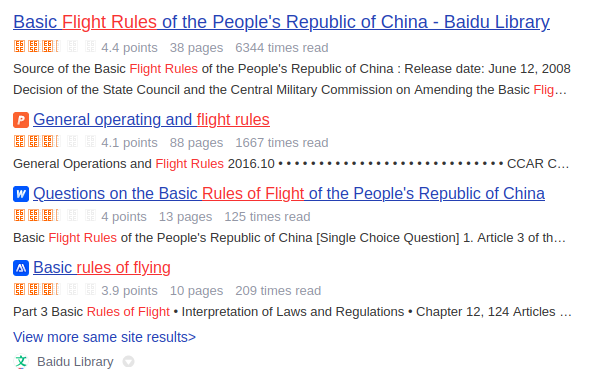
Regular results are the elemental structure of an organic result. They are composed of a clickable title, a small website icon, a brief description or snippet, and the URL of the website. The URL can appear in two formats: either the full URL or, more commonly, a combination of the domain name and a breadcrumb trail, which indicates the page’s position within the website’s hierarchy. Regular results are observed in the six search engines studied, with some variations in the positioning of each component.

Example for Baidu

Enriched Results

Enriched results, also known as enhanced results, surpass the standard format of regular results by including additional information or features. These elements provide more context, enhancing the user’s ability to quickly assess the relevance and visibility of a result, leading to a higher click rate.

Bellow are presented the elements that enhance organic results into enriched results. Each element is accompanied by a description and example images of the search engines where the element is present.
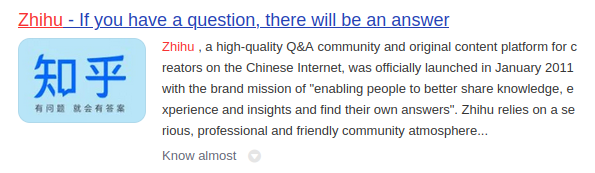
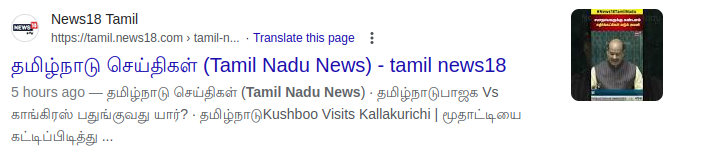
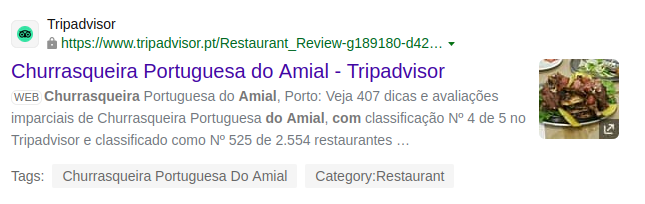
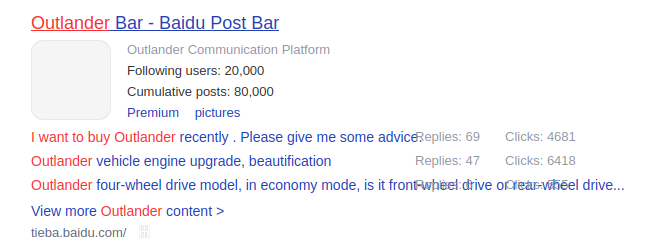
An website's image that can appear alongside the snippet.
Example for Baidu
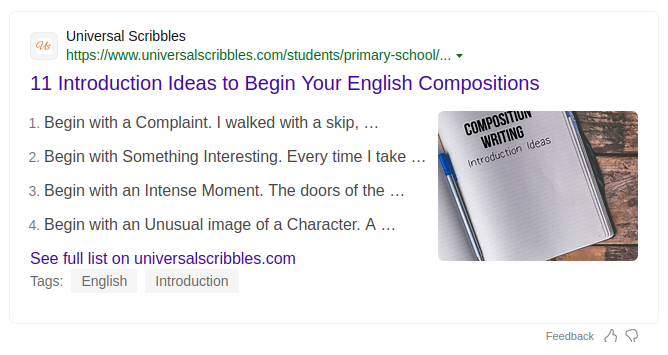
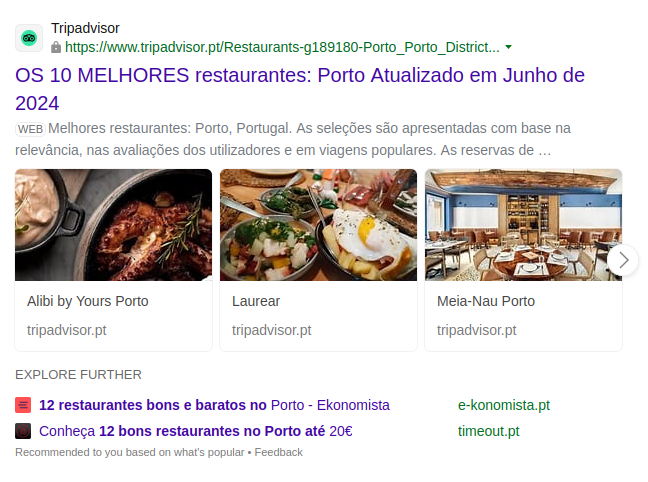
A set of images from the website that can appear before of after the snippet.
Example for Bing
A video from the website that can appear alongside the snippet.
Example for Baidu
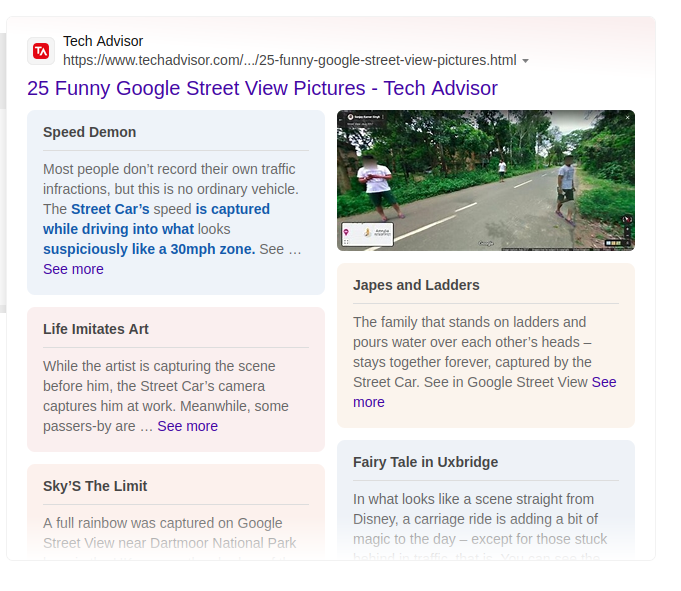
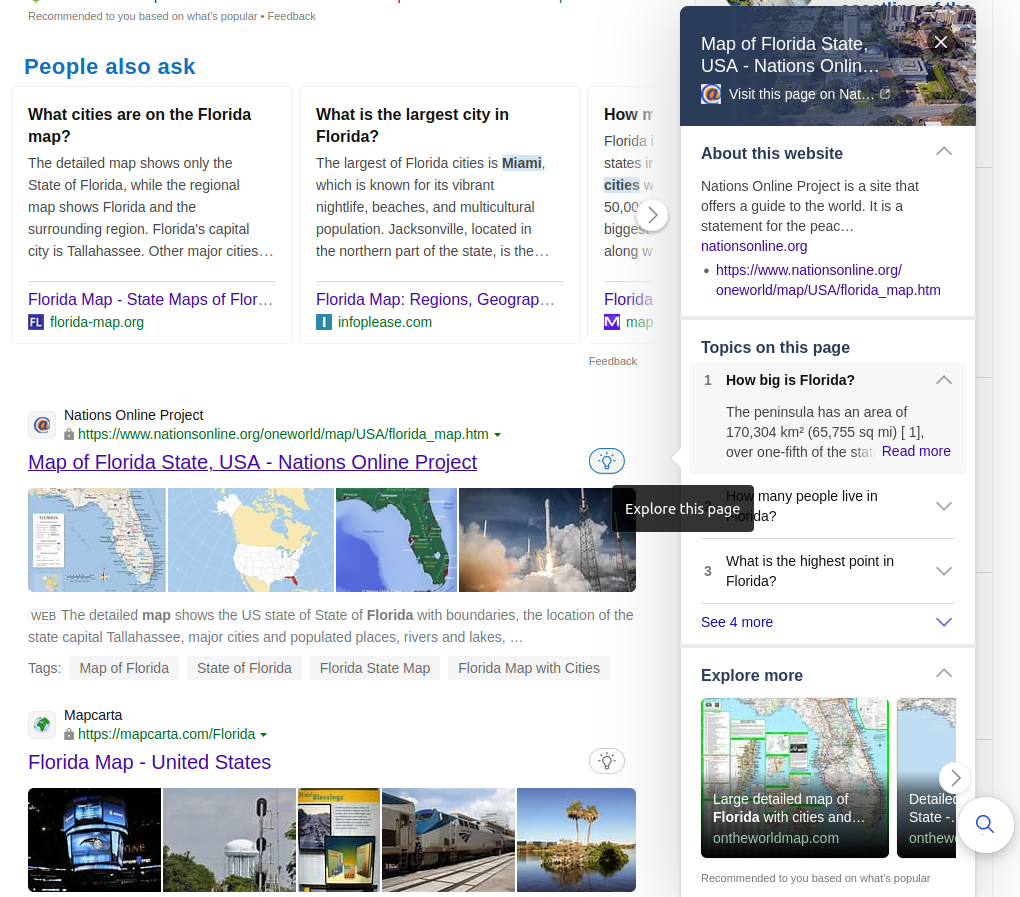
The snippet is a set of text cards that organize the information on topics.
Example for Bing
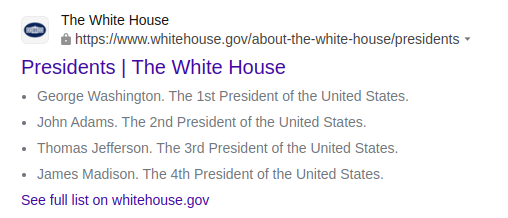
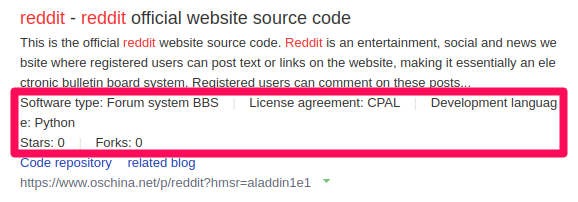
It appears in search results when a website includes schema markup data. The types of Structured Snippets that can appear include How-to, Event, FAQ, Recipe, Video, Article, Product, and many more.
Example for Baidu
Displays the average rating of a product, service, or business based on user reviews. This rating is retrieved from the website's structured data.
Example for Baidu
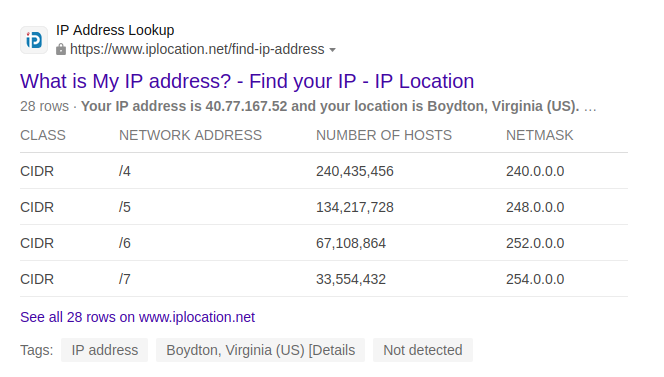
Keywords associated with the result that allow to filter the results based on them.
Example for Bing
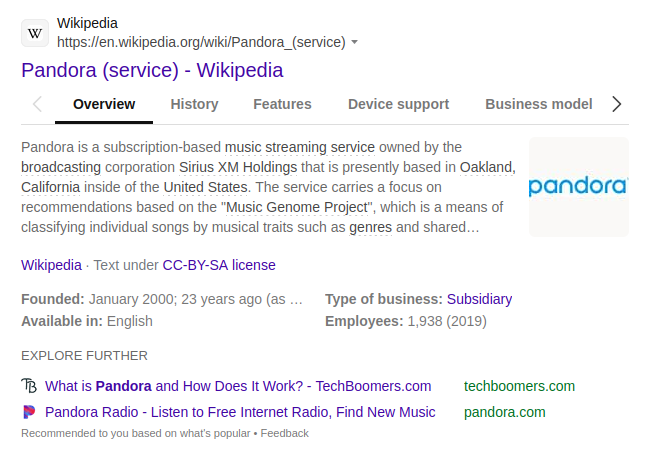
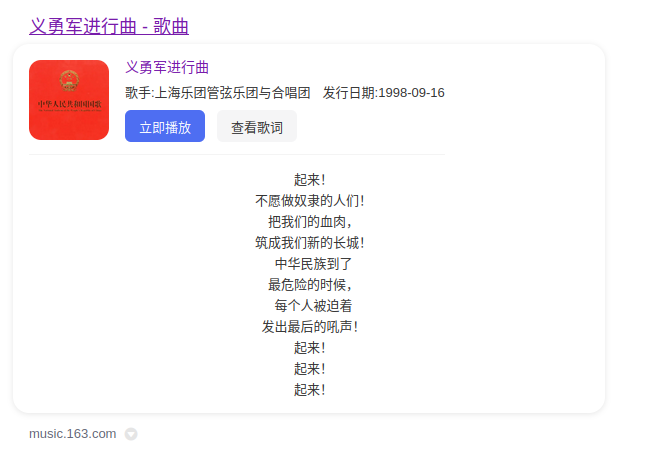
The snippet's format can adopt different, topic-specific interfaces beyond the traditional ones discussed so far. These formats enhance accessibility by presenting information in a more structured and user-friendly way, making it easier for users to get key details from the webpage quickly.
Example for Baidu
Apart from the text snippet, a widget is presented.
Example for Bing
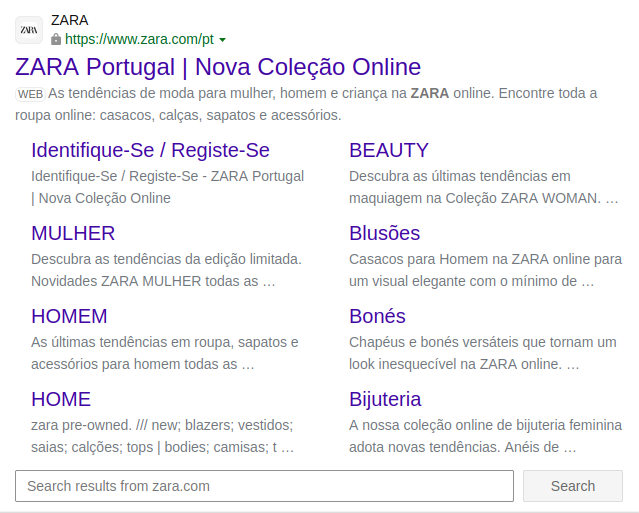
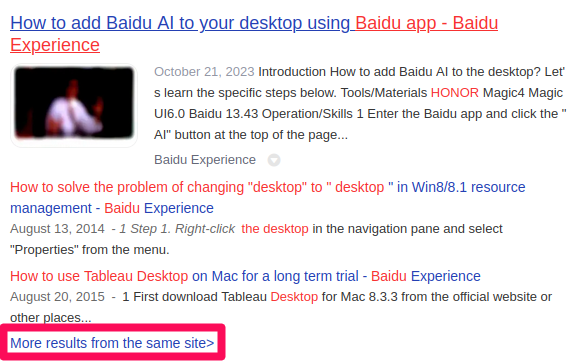
Links from the same domain are presented together under the text result. Also known as 'quicklinks'.
Example for Baidu
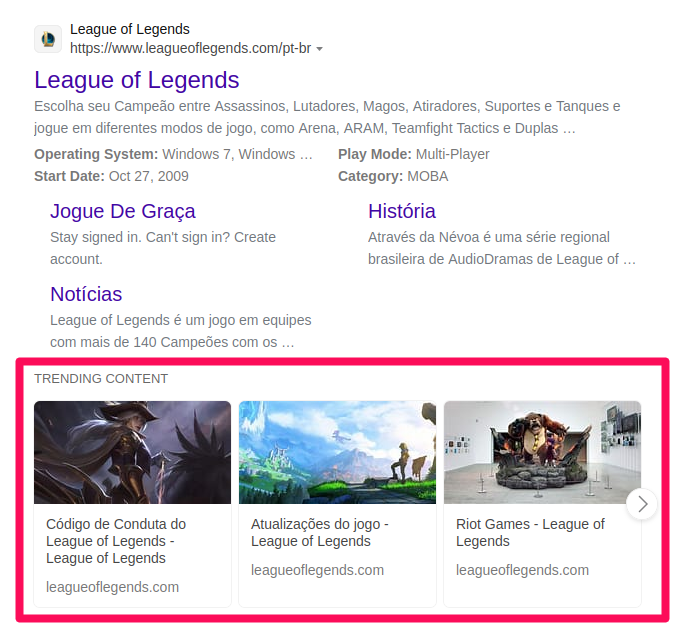
Sitelinks whose format is a box with an image and a title. Additional information like prices or timestamps can also be included.
Example for Bing
Box where users can search for content present on the website domain.
Example for Bing
An icon that indicates that the webpage leads to a pdf file.
Example for Baidu
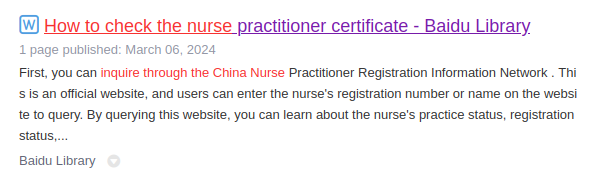
Temporal information of when the web page was updated or published.
Example for Baidu
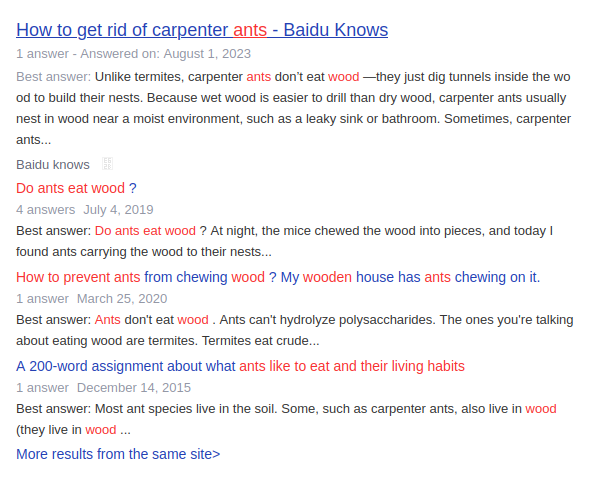
The top-ranked responses to answer a question are presented. In addition, links to related questions can appear.
Example for Baidu
List of frequently asked question and their answers.
Example for Baidu
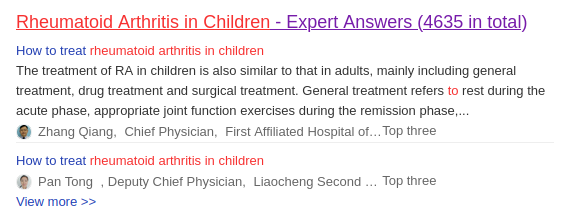
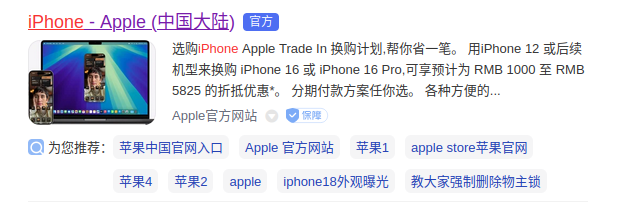
An icon that indicates that the website is verified as an official site.
Example for Baidu
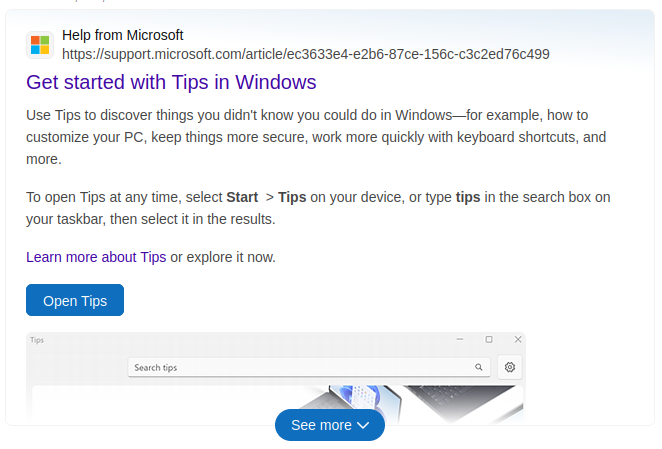
The background of the result is different from the SERP's background colour or has an emboss that the other results do not have.
Example for Bing
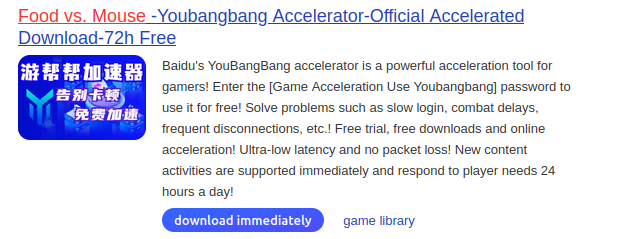
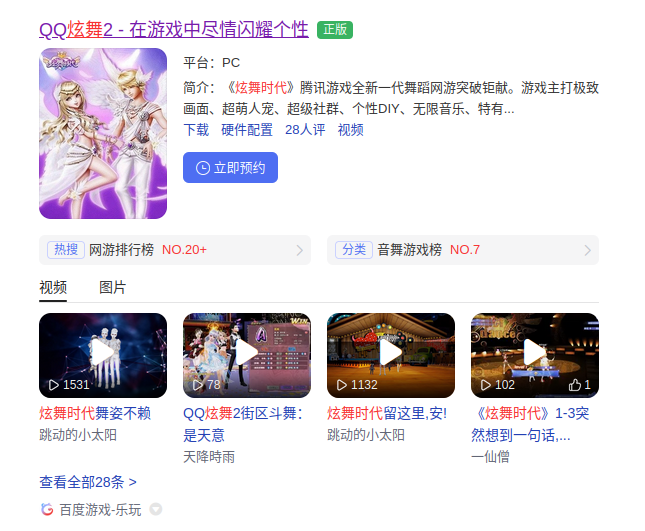
It can include a download link, a “click to claim benefits” link, different guides and video links related to the game.
Example for Baidu
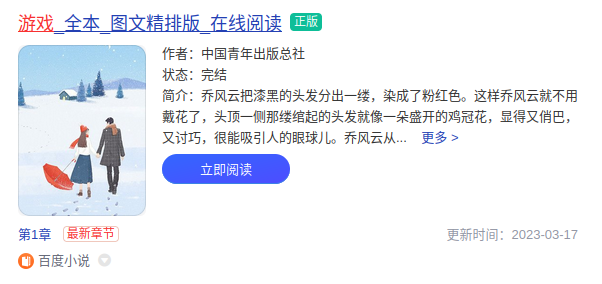
Apart from the snippet that describes the book, some buttons allow to read the book or to download it.
Example for Baidu
Section that contains links to similar webpages or similar search queries.
Example for Baidu